
Travelers, COVID-19, and Religious Awareness

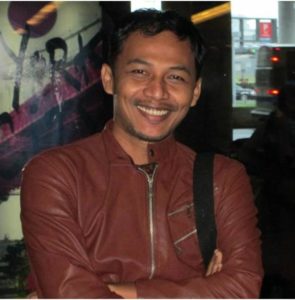
M. Khusnun Niam

M. Khusnun Niam

Currently, various countries are grappling with the impact of the Coronavirus Desease 2019 or COVID-19. This disease has escalated into a pandemic, leaving a significant mark of panic on society. The author argues that COVID-19 is a topic worthy of academic discussion, given the various social consequences stemming from this illness. One of the most evident outcomes highlighted in the media is its effect on humanity. This serves as a starting point for the author's inquiries and prompts a critical reflection on the COVID-19 outbreak and the humanitarian crises that have emerged in the context of religion.

According to the literature reviewed by the author, all teachings of faith emphasize the importance of goodness in human actions. This emphasis reflects a theological-normative perspective, indicating that most religions encourage their followers to adopt a humanistic approach. Consequently, the role of humans within religion emerges as a central topic of study, explored through various lenses, including philosophical, sociological, and anthropological approaches, among others.

Learning from Humanist Islamic Figures

In Islam, tawhid or monotheism encompasses a form of humanist knowledge that is deeply rooted in the principle of divinity. According to Musdah Mulia, monotheism represents a manifestation of God's justice, which should serve as the foundation of humanism for a believer. Mulia emphasizes that monotheism is free from injustice, as it transcends social classes through the pursuit of piety. Piety, in this context, is the conscious and systematic application of religious principles in one’s actions, especially when aligning one’s goals with normative teachings. This concept is explored in her book, "Islam and Gender Equality."
Continue reading “Pemudik, COVID-19 dan Kesadaran Beragama” →

Interfood Dialogue: Peaceful Endeavours Over the Dinner Table

Maufur

maufur

‘Interfood dialogue’ in the title above might give you the impression that I am playing word games because of its similarity in both letter and sound to ‘interfaith dialogue’. You are not one hundred per cent right or wrong. The use of this term is indeed related to the second term, which is popular among interfaith dialogue activists. However, rather than being a pun or a joke, I am very serious about the idea of making food an important part of a dialogue or conflict resolution model, especially in the Indonesian context. If we are familiar with the term ‘dinner table diplomacy’ in the context of politics or interstate relations, why don't we also use this model in interfaith dialogue or peace efforts.

This article was inspired by my personal experience when participating in several peace activities abroad. In 2013, I happened to have the opportunity to join a Summer Programme on Religion and Conflict Resolution held by Center for Religion, Culture, and Conflict (CRCC) in New Jersey, USA. In 2016, I was again invited as a facilitator at this month-long event. The participants were from different religious backgrounds and came from a number of countries experiencing ethnic and religious conflict: Israel, Palestine, Egypt, Nigeria and Indonesia. During the forum, the debate between the Israeli and Palestinian participants was very heated, and it was not uncommon for tables to be broken or participants to break down walk-out.This dynamic is understandable, due to the long conflict between the two countries. Continue reading “Interfood Dialogue: Upaya Damai Melalui Meja Makan” →

Religious Moderation and the Foundations of National Identity

The Master of Religion and Philosophy Study Program, along with the Master of Religious Studies and the Master of Quranic Science and Tafsir at the Faculty of Ushuluddin and Islamic Thought, UIN Sunan Kalijaga Yogyakarta, organized a Learning Socialization event for new students of the 2019/2020 academic year. This event took place on Thursday, March 5, 2020, in the Smart Room of the Faculty of Ushuluddin and Islamic Thought and was attended by 73 new students enrolled in the Master of Religions Program. During the event, Ahmad Muttaqin M.Ag., M.A., PhD, the Head of the Master of Religions Study Program, delivered a presentation on Religious Moderation and the Pillars of Nationality.

Ahmad Muttaqin M.Ag.,M.A, Ph.D
Ahmad Muttaqin, M.Ag., M.A., Ph.D., is providing material on socialization in learning.

Ahmad Muttaqin emphasized that a moderate attitude must begin with oneself and one's mindset. Instilling moderation from an early age involves suppressing and eliminating hatred and hostility among people. Promoting harmony among religious communities is essential for advancing Indonesia as a multi-ethnic, multicultural, and multi-religious nation, making it a more harmonious society.

"If you continue to see people of different religions as enemies or as reasons not to greet them, then you are not ready to be a moderate person. A moderate person recognizes differences as an opportunity to work together or even to enrich one another," he said.

Continue reading “Moderasi Beragama dan Pilar Kebangsaan” →

Dr. Samsul Hidayat, MA: Promoting Interfaith Harmony Through Culinary Diplomacy

Tolerance is an attitude of mutual respect and appreciation between different groups or individuals within society. This mindset can help prevent discrimination, even in diverse communities. One way to promote tolerance is through Interfaith Dialogue.
On Wednesday, March 4, 2020, the National Unity and Politics Agency (Kesbangpol) of West Kalimantan organized an Interfaith Dialogue. One of the speakers at this event was Dr. Samsul Hidayat, MA., the Dean of the Faculty of Ushuluddin, Adab, and Da'wah, a lecturer in the Comparative Religion Study Program at IAIN Pontianak, and the Chair of the Interfaith Relations Commission of the Indonesian Ulema Council in West Kalimantan. He presented on strategies for fostering harmony among religious communities through local wisdom.
According to population statistics, the majority of people in West Kalimantan are Muslim, accounting for 55.68% of the population. In the interior regions inhabited by the Dayak Tribe, most residents adhere to Christianity (either Catholic or Protestant), particularly in the Bengkayang, Landak, Sanggau, Sintang, and Sekadau regencies. Among the Chinese population in West Kalimantan, many are either Buddhist or Christian (Catholic or Protestant). In areas with a significant ethnic Chinese presence, such as Singkawang City and Pontianak, there is also a considerable number of Buddhists. To foster better interfaith relations, it is essential to promote tolerance among different religions.

Dr. Samsul Hidayat, MA

Continue reading “Dr. Samsul Hidayat : Merekatkan Kerukunan Antar Agama Melalui Diplomasi Kuliner” →